
Commercial gym equipment installation starts long before machines arrive on site. Preparation plays a major role in how smoothly the process runs and how well the equipment performs once in use. When a facility is ready, installation takes less time, issues reduce, and the gym opens or reopens without unnecessary delays.
Many installation problems link back to poor preparation rather than the equipment itself. Limited access, unsuitable flooring, or unclear layouts slow progress and increase risk. Addressing these factors early supports safety, efficiency, and long-term performance.
Assessing Your Space Before Installation
Every commercial gym space brings different challenges. Floor area, ceiling height, and structural limits influence what equipment fits and how it installs. Cardio machines need overhead clearance and power access. Strength equipment requires stable flooring and sufficient spacing for safe use.
A full assessment identifies restrictions before installation begins. Columns, low ceilings, and narrow walkways often affect layout decisions. Planning around these features avoids last-minute changes and ensures equipment placement supports natural movement across the gym floor.
Flooring And Structural Considerations
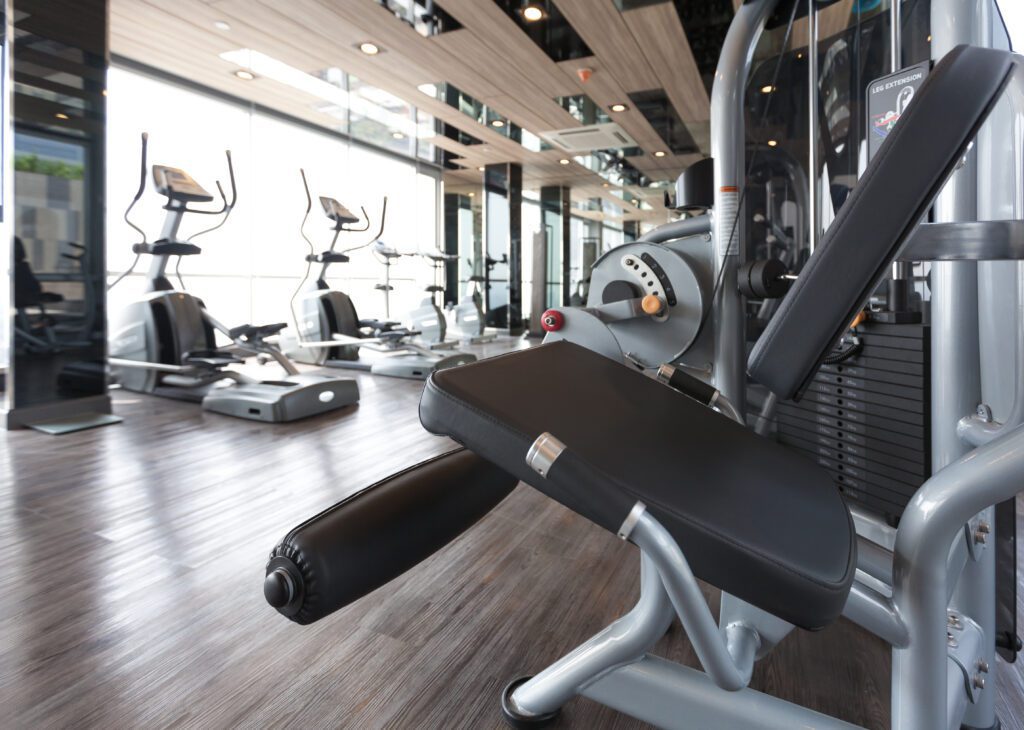
Flooring plays a critical role in commercial gym installations. Heavy machines place pressure on subfloors, particularly in upper-level units or converted buildings. Without suitable flooring, vibration and movement increase, leading to discomfort and long-term damage.
Rubber flooring supports impact absorption and stability, especially in free weight and resistance areas. Cardio zones benefit from level, reinforced surfaces to prevent movement during use. Preparing flooring in advance allows installation teams to secure machines correctly and reduces the risk of future issues.
Power, Data, And Ventilation Planning
Many modern machines rely on electrical connections and data links. Power points positioned incorrectly cause delays or force layout compromises. Early planning ensures sockets align with equipment positions and remain accessible for maintenance.
Ventilation also matters. Cardio areas generate heat and moisture, which affects user comfort and equipment lifespan. Preparing airflow systems before installation supports consistent performance and reduces wear caused by overheating.
Access Routes And Delivery Planning
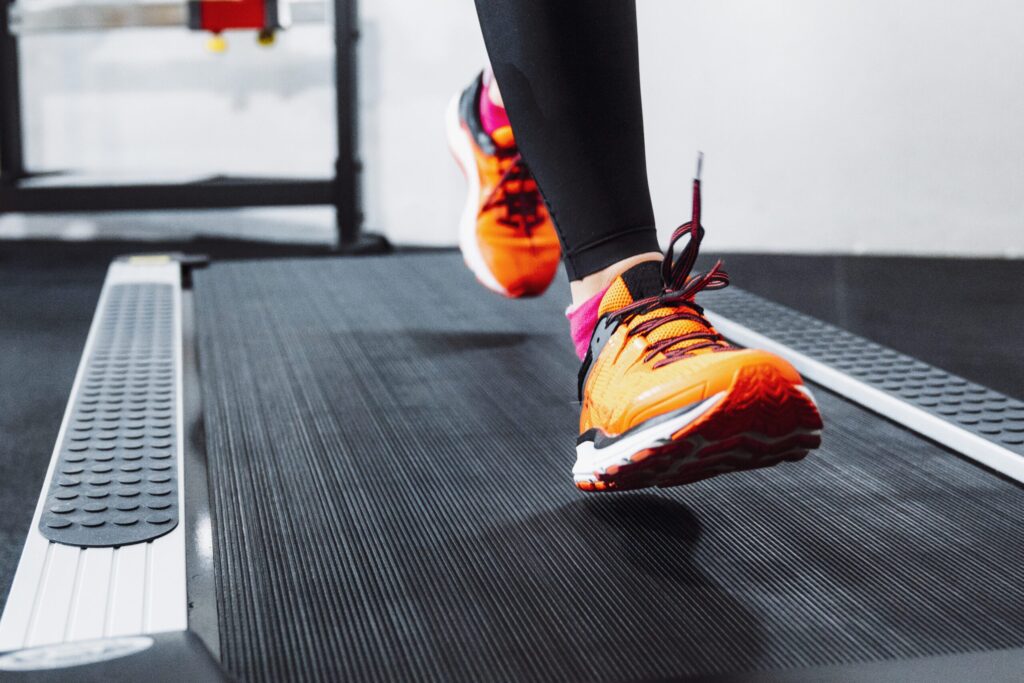
Commercial gym equipment often arrives in large sections or heavy crates. Access routes from delivery point to installation area need careful planning. Door widths, corridors, lifts, and staircases all affect how equipment moves through the building.
Clearing routes in advance protects walls, doors, and flooring. It also reduces handling time and improves on-site safety. When access is tight, planning alternative routes or staged deliveries prevents delays on installation day.
Scheduling Installation Around Operations
Timing installation correctly limits disruption. For new gyms, this means aligning installation with flooring, electrical work, and cleaning schedules. For existing facilities, it means planning work outside peak hours or during closures.
Clear scheduling helps staff prepare and keeps members informed. It also allows installation teams to work efficiently without interruptions. This approach shortens downtime and supports a smoother return to normal operations.
Layout Planning For Member Flow
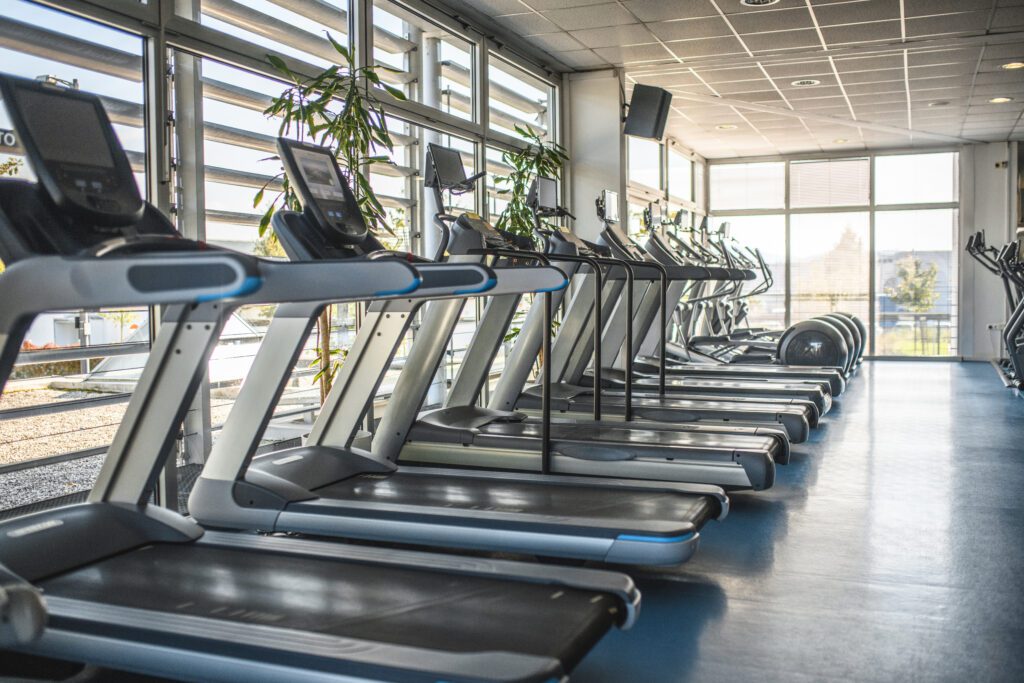
Installation affects how members move through your gym. Poor layouts create congestion and safety risks. Good planning balances equipment density with clear walkways and defined training zones.
Spacing between machines supports comfort and safety. Clear sightlines help staff supervise activity. When layout planning happens before installation, equipment positions feel intentional rather than forced into available gaps.
Compliance And Safety Readiness
Commercial gyms carry responsibility for user safety. Preparing the site ensures installations meet safety expectations from day one. Emergency exits must remain clear. Equipment spacing must allow safe use and evacuation if needed.
Preparing signage locations, storage areas, and staff access points supports safe operation. These details often get overlooked but play a role in overall compliance and user confidence.
Reducing Future Maintenance Issues
Preparation also affects long-term maintenance. Equipment installed on uneven floors or in poorly ventilated areas experiences higher wear. Access to service panels and power points simplifies future servicing.
Planning with maintenance in mind saves time and cost later. Installations that allow easy access reduce labour during repairs and inspections. This keeps equipment running smoothly and reduces downtime.
Supporting Installation With Professional Input
Professional installers often contribute valuable insight during preparation. Their experience helps identify risks and recommend adjustments before equipment arrives. This collaboration improves outcomes and avoids reactive fixes.
Working with specialists ensures preparation aligns with manufacturer standards and real-world use. This approach supports safer installations and better long-term performance.
Getting Ready For A Successful Installation
Preparing your facility properly sets the foundation for successful commercial gym equipment installation. From flooring and power to access routes and layout, each decision influences performance, safety, and member experience.
Gym Tech supports commercial gym equipment installation projects across the UK, helping facilities prepare, install, and operate with confidence. Early planning combined with professional installation reduces risk and supports long-term value.