
Regular equipment maintenance isn’t just about keeping your gym tidy; it’s essential for safety, performance, and cost control. Every day, treadmills, ellipticals, and strength machines take on constant use, and without proper attention, small issues can quickly turn into expensive repairs. By learning to recognise early signs of wear and tear, you can protect your investment and reduce emergency repair enquiries that interrupt your business.
Why Should You Check Your Gym Equipment Regularly?
Gym equipment faults rarely happen overnight. Most develop slowly, starting with small noises, unusual vibrations, or slight changes in performance. Regular checks allow you to spot these signs early and take preventative action before they escalate. Keeping a close eye on your equipment doesn’t just save you money; it also improves member safety and satisfaction. No one wants to deal with a treadmill that suddenly stops mid-run or an elliptical that feels unstable. Preventive care helps you build a reputation for reliability and professionalism.
Routine inspections also help you manage your machine repair costs more effectively. Rather than paying premium rates for emergency call-outs, planned maintenance lets you schedule affordable servicing during quieter periods. It’s far more efficient to replace a worn belt or loose bolt now than to replace a motor or frame later. A consistent inspection routine keeps your machines running smoothly and reduces costly downtime.
What Are The Most Common Treadmill Problems?
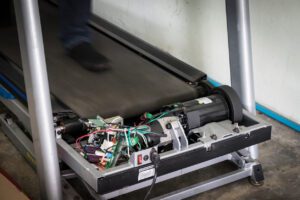
Treadmills are among the hardest-working pieces of equipment in any gym, and they’re often the first to develop faults. One of the most common treadmill problems involves belt slippage or uneven movement, typically indicating worn parts or inadequate tension. When the belt starts to slip, it places strain on the motor and rollers, which can cause overheating and eventual motor failure if left untreated. Regular lubrication and cleaning beneath the hood go a long way toward preventing this.
Another frequent issue is noise rattling, squeaking, or grinding sounds that signal something isn’t right inside the machine. Sometimes it’s as simple as a loose bolt, but it can also indicate a failing motor or misaligned roller. If you notice a burning smell or the treadmill suddenly cuts out, switch it off immediately and inspect the power connection. Faulty cables or blocked vents can cause overheating, and ignoring these signs risks both damage and user safety. By staying alert to these early symptoms, you can prevent larger failures that carry significant repair costs.
How Can You Identify Elliptical Faults Before They Cause Breakdowns?
Elliptical trainers combine moving mechanical parts with sensitive electronic controls, making them prone to a mix of issues. Resistance that doesn’t adjust properly, for instance, often signals a problem with the motor or control panel. When you notice the resistance feels off, test the settings and listen for any irregular sounds during operation. Squeaking or grinding is another early warning sign and usually comes from dry bearings or misaligned components. A simple lubrication routine can help avoid major elliptical faults developing later.
Wobbling pedals or unsteady handlebars are also easy to miss but important to address. Movement in the frame typically indicates loose joints or worn bearings, both of which deteriorate rapidly with continued use. Display screen errors, flickering lights, or unresponsive controls can be linked to dust or wiring faults. These signs might seem minor, but they indicate the machine needs professional attention before more expensive damage occurs. By acting early, you protect both your budget and your members’ confidence in your equipment.

What Other Gym Equipment Faults Should You Look For?
While cardio machines tend to show wear first, strength and resistance equipment need equal care. Cables, pulleys, and weight stacks are subject to constant tension and can become frayed or misaligned over time. If plates begin to stick or the movement feels uneven, there may be a bent guide rod or insufficient lubrication, resulting in friction. Rowing machines and stationary bikes also require regular checks, as issues such as slipping belts, chain wear, or uneven resistance often start small but worsen quickly.
The key to preventing these types of faults lies in consistency. Many gyms benefit from keeping a simple maintenance log to record inspections, cleaning routines, and any unusual behaviour from machines. Over time, this creates a clear picture of which equipment needs more frequent servicing and which is performing reliably. It’s a straightforward step that reduces unexpected breakdowns and helps you plan for part replacements or upgrades.
How Can Regular Inspections Reduce Your Machine Repair Costs?
Every fault you prevent through early detection directly saves your business money. A treadmill belt replacement costs significantly less than a new motor, and tightening bolts on an elliptical is less expensive than replacing bearings or frames. Planned maintenance also prevents peak-hour disruptions and avoids the high fees associated with urgent call-outs. When you know your equipment is in good condition, you can budget with confidence and avoid the financial surprises that come with sudden repairs.
Some gyms choose to partner with maintenance specialists who offer scheduled servicing plans. These programmes combine inspections, cleaning, and minor repairs into one predictable monthly or quarterly cost. This approach not only keeps your machines reliable but also allows you to focus on running your gym rather than dealing with constant technical problems. It’s a simple change that delivers long-term savings and peace of mind.
How Early Fault Detection Keeps Your Gym Running Smoothly
The most common treadmill problems, elliptical faults, and strength machine issues are often easy to detect if you know what to look for. Strange noises, slipping belts, unresponsive screens, or uneven resistance might seem minor, but they’re early signs that your machines need attention. By acting quickly, you’ll save money, maintain safety, and keep your equipment in peak condition. Preventing damage is always cheaper than repairing it later, and your members will appreciate a gym that puts their experience first.
If you want to keep your equipment performing at its best, schedule a routine inspection plan and consult a qualified service provider before problems arise. Investing in prevention today means fewer breakdowns tomorrow and a gym that runs as smoothly as the machines inside it.